

Meet Maurya Kay
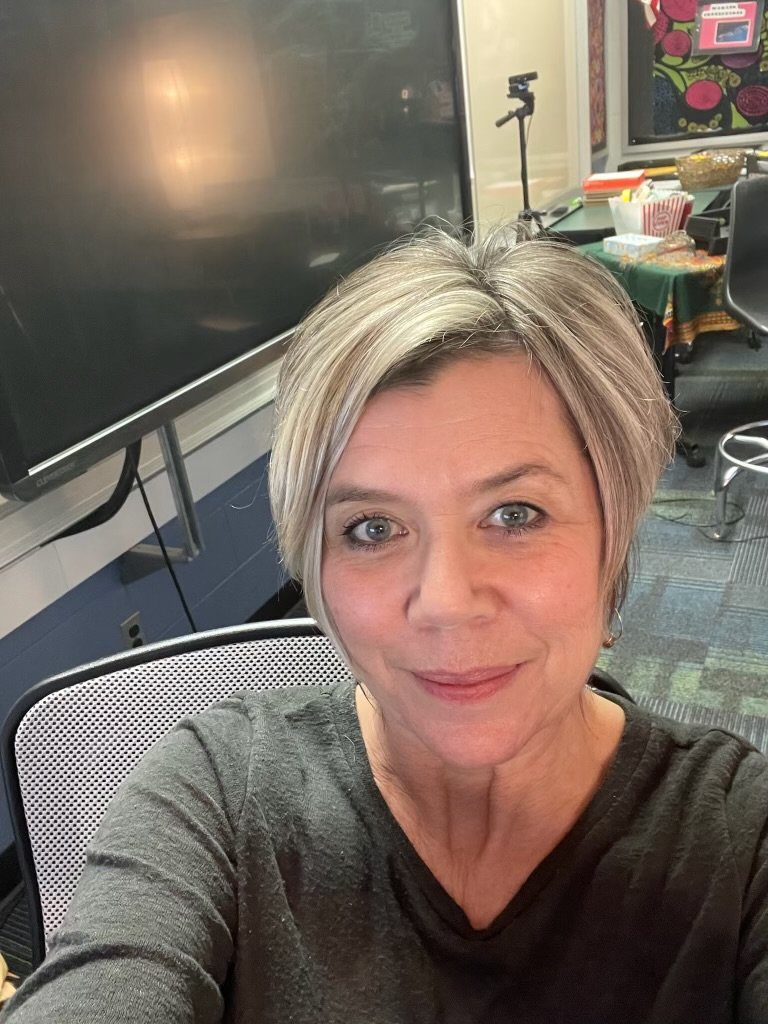
I'm Maurya Kay, founder of Illuminate Coaching, married mother of four adult children, retired high school English teacher, former Girl Scout Leader, Founder of PFLAG Grosse Pointe, instrumental and vocal performer. I lead with a big heart wrapped in a lot of directness — a combination it has taken me most of my adult life to understand, and even longer to appreciate. Coaching, to me, isn't about becoming some polished, finished version of yourself. It's about seeing your own patterns clearly enough to choose, on purpose, who you want to be.
That belief didn't come from a textbook. It came from my own path — one that started with a question I couldn't answer, and eventually led me to a hallway outside my classroom, where two ninth-grade boys were about to prove everything I was learning.

Finding My Type
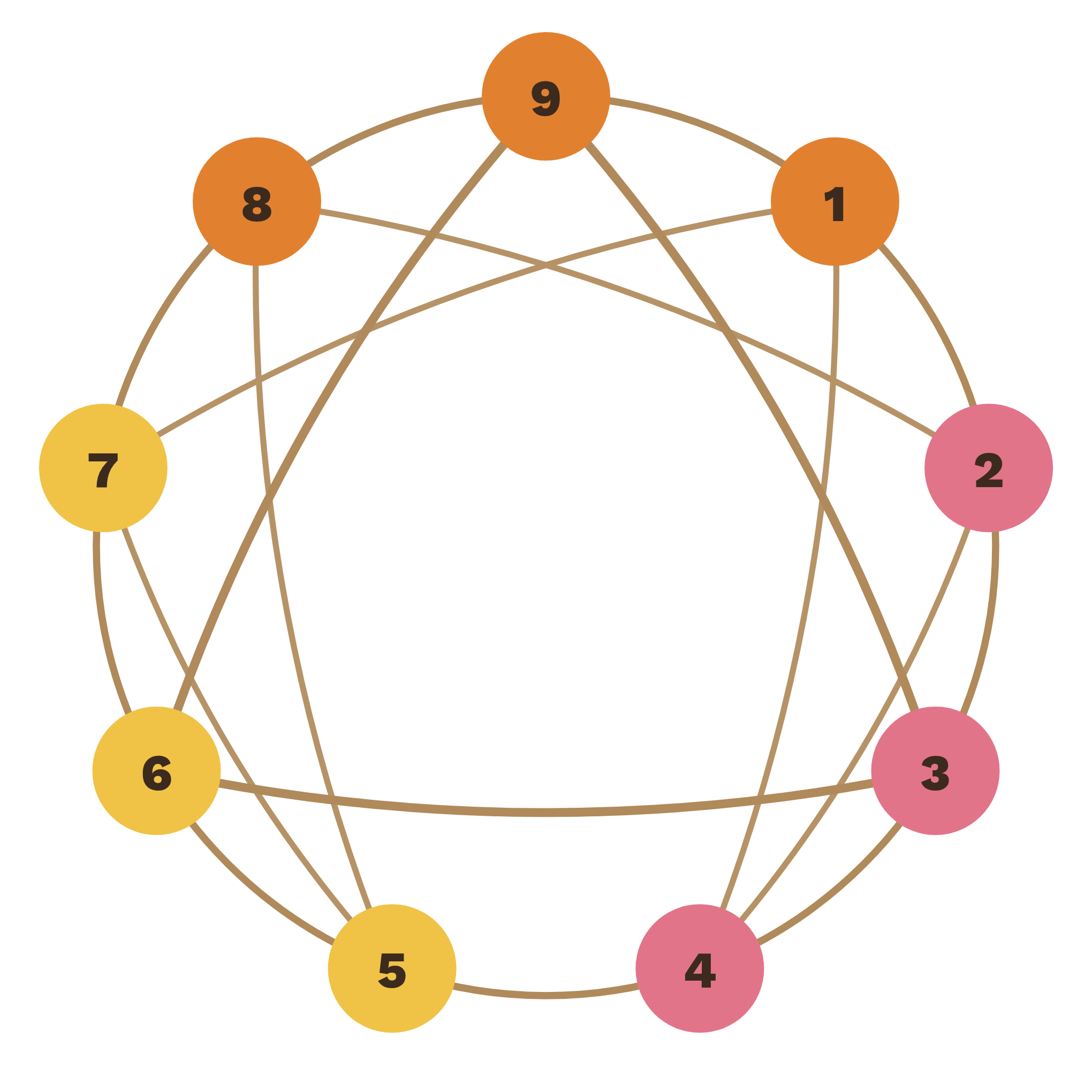
Over twenty years ago, a therapist introduced me to the Enneagram. “Do you know your Enneagram type?” she asked. “What's the Enneagram?” I replied. She gave me the elevator speech and rattled off brief descriptions of the nine types. Listening, intrigued, I promptly mistyped myself as a Type 1, the Improver/Reformer.
Ten years later, after some deeper inquiry of my own and guidance from a certified Enneagram teacher, I recognized myself more accurately as a Type 8, the Protector/Challenger. “Oh, no,” I thought. “That's me.”
Why “oh, no”?
When we see ourselves clearly in an Enneagram type, we recognize our gifts — but we also have to reckon with our blind spots, and that usually comes with a little queasiness. The discomfort is worth it for what you gain. For me, learning my Type 8 patterns explained why I was always the one asked to lead the project or the committee, and why I tend to address injustice quickly and directly. It also explained why I sometimes intimidate people without meaning to, why my energy can be bigger than I realize, and why I'm occasionally misread.
What the Mirror Showed Me
Around that same time, a counselor at the high school where I taught gave me some hard feedback: some students didn't feel I had their back. They found me too tough, too rigid. It stung — and it was also exactly what the Enneagram had started showing me. My need to control, to be strong, was a veil over my own big heart, and I hadn't realized anyone could see it that way. Learning to work with my Type 8 patterns, rather than be run by them, changed how I taught. I could observe myself in the moment and, more and more often, choose a different response.
Finding Restorative Practices
Restorative Practices came into my life through that same season of teaching. Having volunteered to lead the DEIB work in my building, I was trained ahead of my colleagues in an approach that centers belonging and non-violent communication, and that shifts discipline away from a purely punitive response — toward one that still requires accountability, but doesn't cost a student their place in the community.
Two Boys, Four Questions
One Friday in the first week of school, I got to see exactly what that meant. Two freshman boys, in a class already short on impulse control, broke into an intense verbal altercation — a real fight, missing only the punches. A referral to administration was required. But what actually changed things was a Restorative conversation I had with each of them separately. I asked four questions, and just listened:
What happened? What were you thinking at the time? What have you thought about since? What can you do to repair the harm?
Those conversations set the tone for our whole relationship that year. Each boy understood that I'd take his side of the story seriously — and that I'd still hold him accountable for repairing what he'd broken. Nobody was shamed. Nobody was removed from the community. What we gained, instead, was a shared, hard-won understanding of how to avoid causing that harm again.
That lesson has never left me. The tools that help us see ourselves — and each other — clearly are the same tools that let us stay in relationship through conflict, instead of walking away from it. I didn't invent the Enneagram or Restorative Practices. I just know, from the inside, what it's like to need them.
That's who I am when I sit across from you: not someone who has it all figured out, but someone who has done the work of turning toward her own uncomfortable parts — and who can help you do the same.
That's what Illuminate Coaching is built on.